Soul / Hip-hop · 6 min read
Maverick Sabre
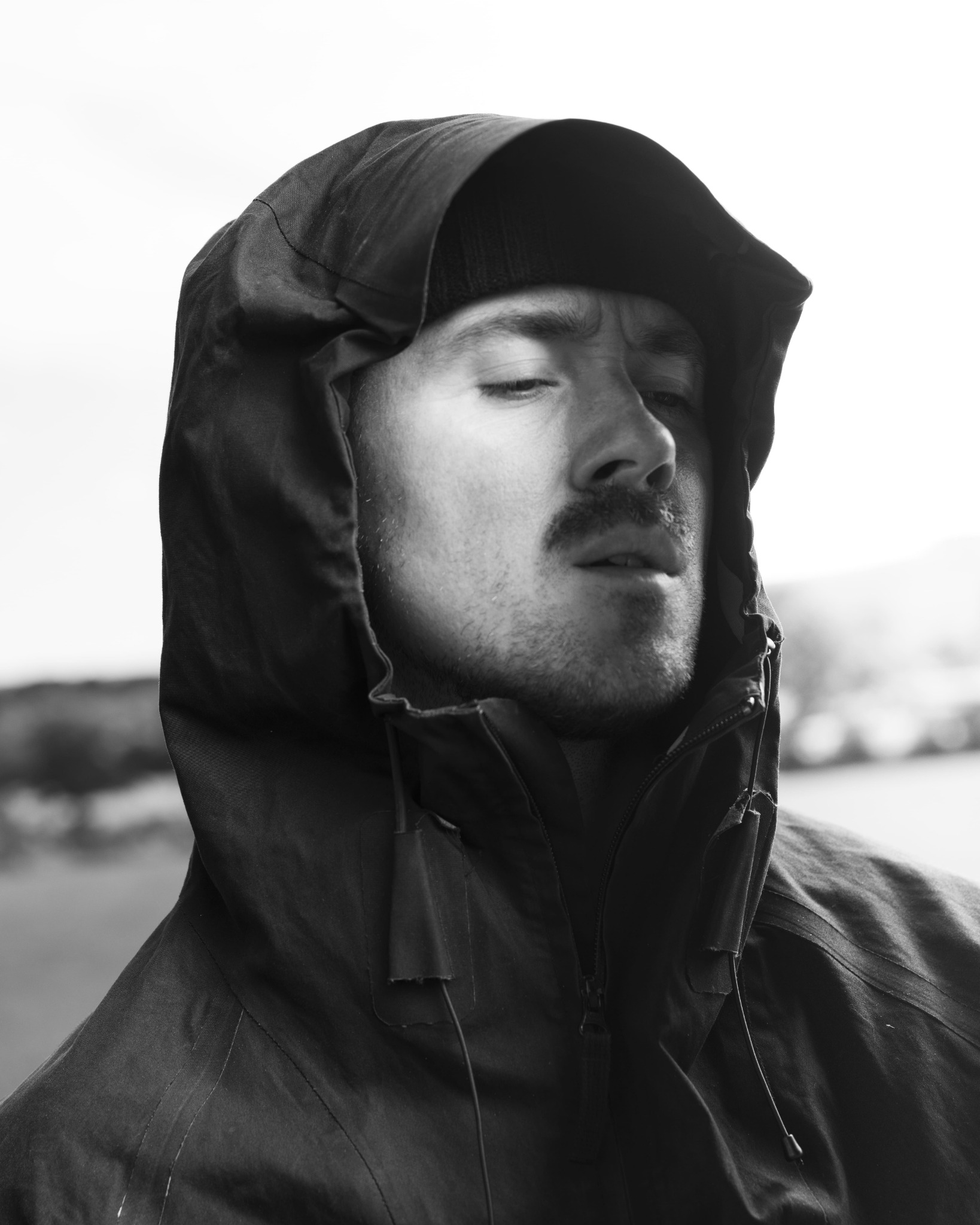
Maverick Sabre is an Irish singer, songwriter and producer whose music brings together soul, hip-hop, reggae and the intimacy of acoustic songwriting. Born Michael Stafford in London and raised in New Ross, County Wexford, he developed a musical identity shaped by both places. His work carries the storytelling instinct of a songwriter alongside the rhythmic awareness of someone who grew up around rap. That combination gives his songs a distinctive character: personal and reflective, but also attentive to the world outside his own experience.
His voice is often the first thing that draws people in. There is a grainy, slightly weathered quality to it, with a tenderness that can become forceful without losing its vulnerability. He can make a phrase sound exhausted, hopeful or quietly determined, sometimes allowing several of those feelings to sit together. His delivery suits songs about complicated relationships and the search for reassurance because it leaves room for uncertainty. Even when the arrangement is bright or rhythmic, the vocal can suggest something more unsettled underneath.
Before reaching a wider audience, Maverick was involved in the Irish hip-hop scene, developing his abilities as a rapper and collaborating with other artists. Moving back to London as a teenager brought further opportunities, including touring with Plan B. Those experiences helped connect his different musical interests. Hip-hop offered a way to speak directly about lived experience, while soul and reggae provided other ways to communicate emotion, resistance and belonging. Those foundations have remained part of his work as his sound has developed.
His debut album, “Lonely Are the Brave,” released in 2012, established him as an artist capable of bringing those influences to a broad audience. Songs including “I Need” and “Let Me Go” introduced the combination of memorable melodies, emotional urgency and a highly recognisable voice that became central to his appeal. The record’s strength lies in how approachable its feelings are. Loneliness, frustration and the wish for something better become subjects that listeners can recognise within their own lives. The album reached number two in the UK, giving him a significant platform early in his career.
What makes that early work interesting is the tension between vulnerability and determination. Maverick can sound wounded while still reaching towards change. His songs often inhabit the moment when someone knows that something needs to improve but cannot yet see exactly how it will happen. That emotional position gives the music a sense of movement. Hope is present, although it can feel hard-earned and incomplete.
His second album, “Innerstanding,” released in 2015, expanded his range and placed greater emphasis on reflection. Collaborations with Joey Bada$$ and Chronixx brought different voices into the record, strengthening the connections between his songwriting, hip-hop and reggae. The album also reflected a period of personal questioning after the intensity of his early success. It showed an artist interested in understanding what was happening within himself and finding a musical language broad enough to express it.
With “When I Wake Up” in 2019, Maverick continued developing that independence. He produced or co-produced a substantial part of the album, taking a more direct role in shaping its atmosphere. “Slow Down,” featuring Jorja Smith, became a particularly recognisable part of this chapter. Their voices bring different textures to the same emotional setting, creating a sense of conversation within the song. The collaboration also demonstrates how comfortably Maverick can share space with another singer while retaining his own identity.
Across his catalogue, collaboration feels like a natural extension of his musical curiosity. He has worked with artists including Professor Green, Joey Bada$$, Jorja Smith and Chronixx, moving between different musical settings without losing the qualities that make his voice identifiable. His background allows him to understand the demands of a rap record, a soul performance or a more rhythm-driven production. The common thread is a vocal presence that can communicate feeling quickly and clearly.
His fourth studio album, “Don’t Forget to Look Up,” released in 2022, turned towards questions of attention, connection and everyday life. Its title grew from an ordinary experience: noticing how easily people, including himself, could become absorbed in their phones and lose awareness of what was around them. That observation became a wider invitation to be present. The idea fits his songwriting well, because much of his work is concerned with the distance between people and the effort required to close it.
The album’s reflective character also made room for warmth and pleasure. His collaboration with Nile Rodgers brought another musical perspective into that period, while the broader writing explored love and the possibility of finding steadiness. Maverick’s music can acknowledge difficult experiences while still making space for comfort. That balance gives his quieter songs their appeal: they allow listeners to sit with a feeling without insisting on an immediate answer.
His fifth studio album, “Burn the Right Things Down,” arrived on 18 October 2024, featuring songs including “Roses Ether” and “If I Could Only Love You Again.” It brought a more pronounced rock influence into his sound and followed a period of reconnecting with the fearlessness of his earlier recordings. The title also reflects concerns he has discussed about anger and where it is directed. In interviews around the release, he spoke about frustration being manipulated and turned against vulnerable people, giving the record a wider social context alongside its personal concerns.
New material followed in 2026, including “8 Stages,” “Eleven” and “Catch You.” “8 Stages” combines a brief rap passage with soulful singing, drawing his early musical foundations into a reflective song about loss and change. “Eleven” explores the emotional complications of revisiting an old connection, while “Catch You,” released on 23 October 2026, adds another chapter to his growing catalogue. These releases continue a career in which personal reflection and musical variety remain closely connected.
Maverick Sabre’s lasting appeal comes from the humanity in his music. He can address a private disappointment or a wider social concern with the same sense of involvement. His voice gives the songs character, but the writing gives listeners a reason to return: there is room for doubt, affection, anger and the hope that life can change. From his early breakthrough to his more independent and exploratory work, he has developed a catalogue that feels rooted in experience and open to growth.
Artist background: Official Maverick Sabre website · Maverick Sabre releases on Apple Music
Watch Maverick Sabre
I Need — Official Video
Watch on YouTube ↗YouTube loads when you press play. Some videos may need to open on YouTube.
Start with these
- I Need
- Let Me Go
- Slow Down
Listening opens in your chosen service. Availability and subscription requirements may vary.
What do you think?
Join the conversation about Maverick Sabre.
Loading comments…